Sharing the knowledge – growing a farm facilitators forum in Scotland

Abi Mordin - Cluster Connections Coordinator

The Farm Cluster Connections programme is building a coordinated, facilitator-led network of farmer clusters across Scotland, linking regional hubs to accelerate the exchange of knowledge, skills, and innovation in sustainable and regenerative agriculture.

The project aims to support strong local farmer groups by providing practical, skilled facilitation and farmer-led learning that responds to local needs, alongside connecting facilitators across Scotland.


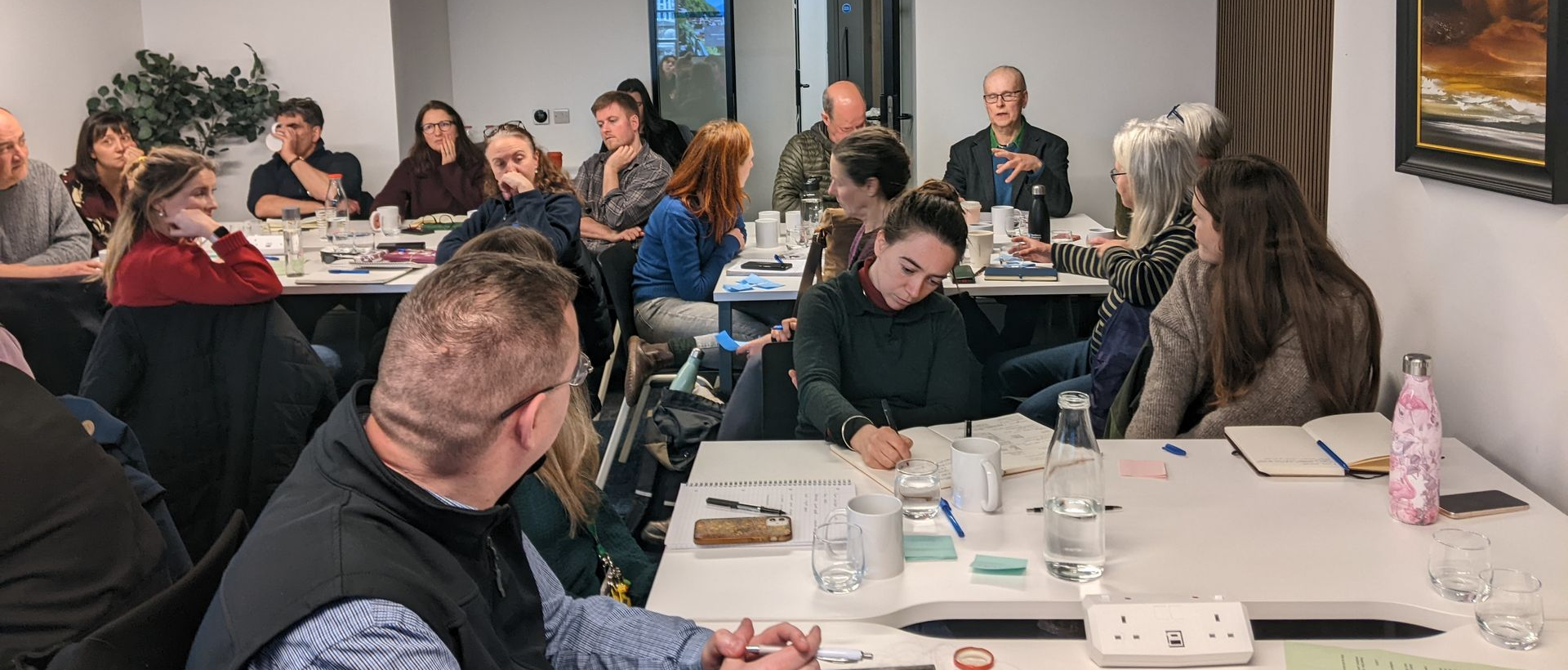
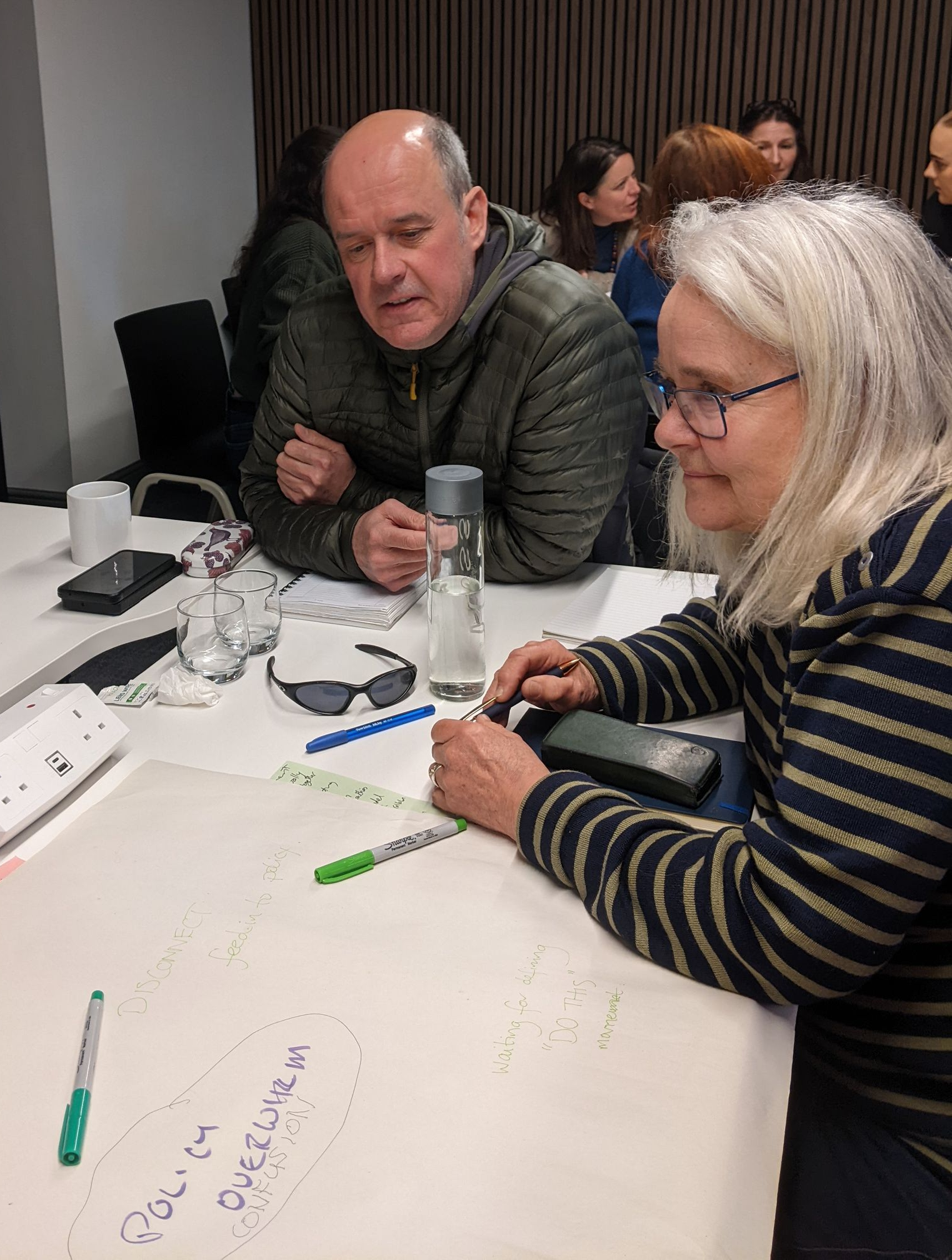
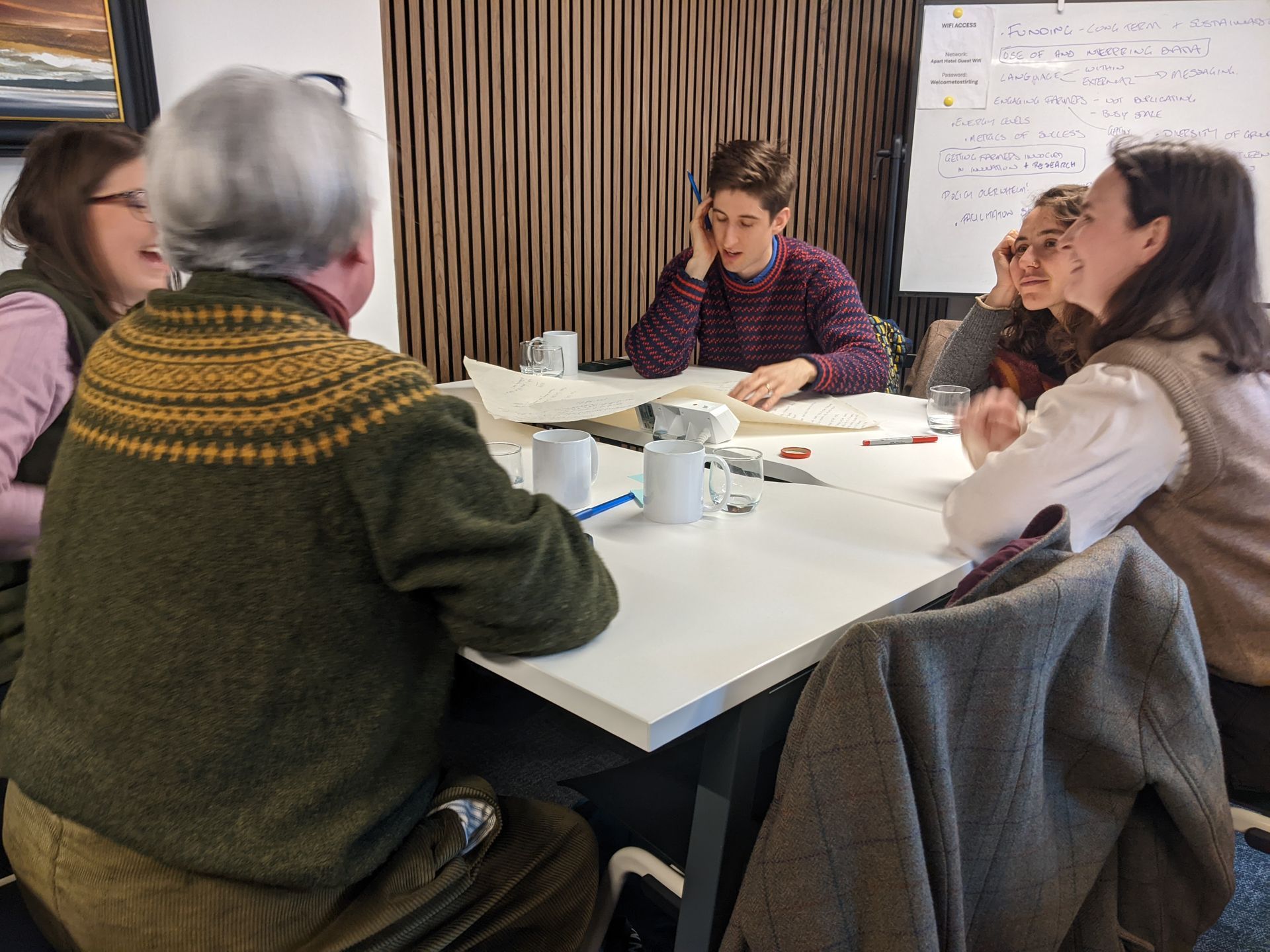
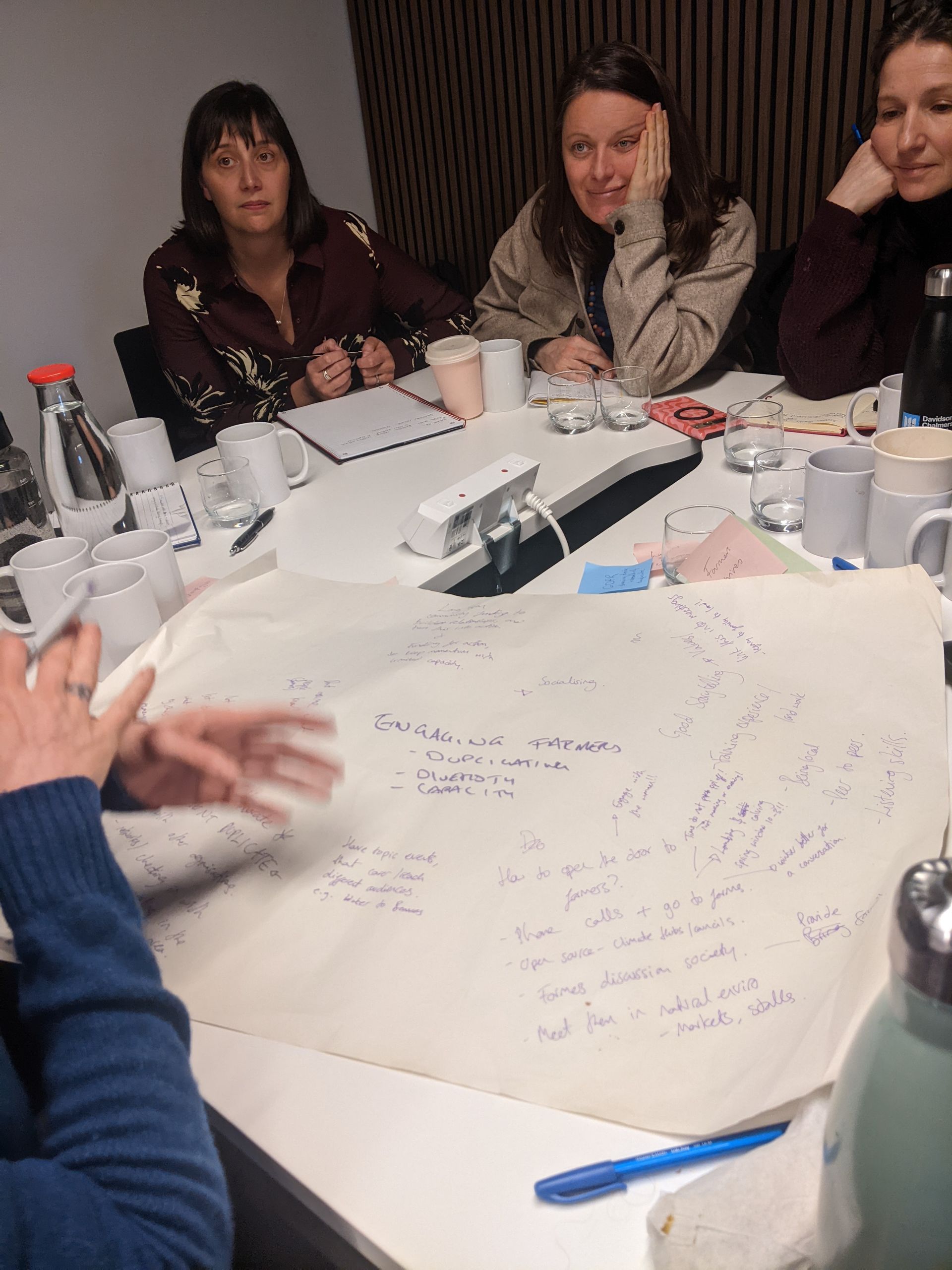
At an event in Stirling on 17 March, facilitators, advisors and others working in this field came together to connect, learn from each other and collectively identify shared issues and concerns. These were discussed in small groups, with actions identified that could be taken forward.

A report of the day is now available and can be downloaded here.

The 30 attendees came from across the farming support spectrum. Alongside facilitators linked to the Cluster Connections programme, the group included members of the Farm Advisory Service team, facilitators from the QMS Monitor Farms programme, land use leads from both of Scotland’s National Parks, Forth Rivers Trust, and a number of independent advisors and facilitators.


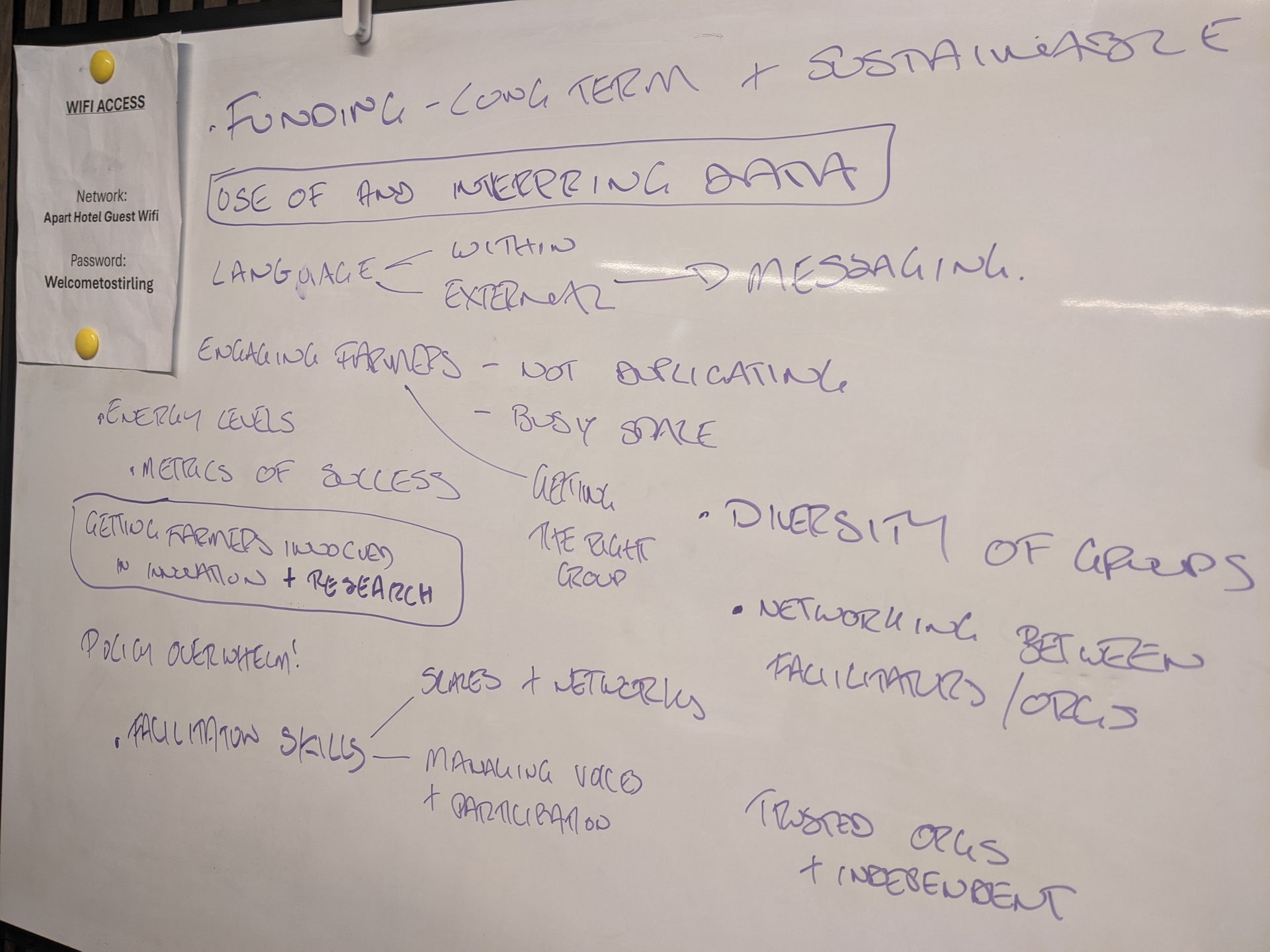
The result was a lively and interesting day. Despite the differences in programmes and approaches, there was broad consensus on many topics. The five main discussion topics were: 


1. Engaging Farmers. Getting farmers through the door – and keeping them engaged over time – requires careful attention to timing, trust, and relevance.


2. Facilitation Skills. Good facilitation is foundational to cluster success, yet there is limited formal training available and significant variation in how skills are developed.


3. Funding. Resourcing activities was a major source of frustration across the discussions. Participants described a landscape that is underfunded, overly bureaucratic, and poorly suited to long-term relational work.


4. Metrics of Success. Measuring impact in farmer facilitation is genuinely complex. Participants challenged the dominance of quantitative metrics and advocated for approaches that capture relational, behavioural, and long-term change.


5. Policy Overwhelm. Farmers and facilitators alike are struggling to navigate a rapidly shifting and poorly joined-up policy landscape.
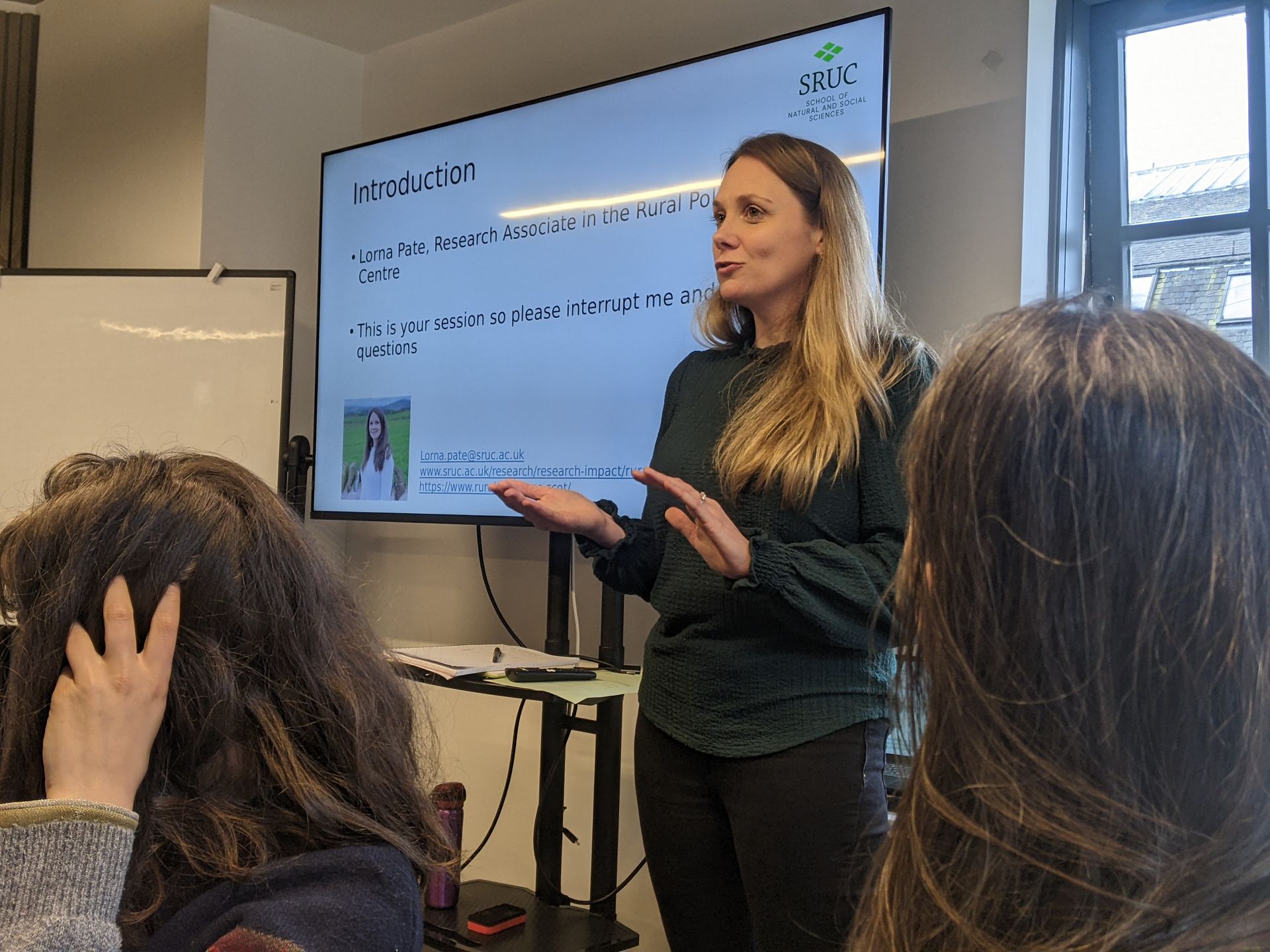
We also had a deep dive session with Lorna Pate, Research Associate from SRUC, exploring how data can be used to support farmers, crofters and growers and influence practice. The session also looked at what data is missing, and how to work better with researchers.

Key challenges identified in the deep dive data workshop were:

  • Misinformation, credibility gaps, and publication bias undermine trust in formal research
  • Information overload and complexity — farmers face too much, too fast, and often in inaccessible language
  • Long lead times in publishing mean findings reach farmers well after they are useful
  • Difficulty identifying what constitutes genuine consensus across multiple papers
  • Research is often not relevant to individual farm context or not shown to work in practice


The event genuinely served its purpose and attendees left feeling inspired and enthused to stay connected. A set of 15 actions have been drawn from the discussions, which includes:

  1. Establish a platform for facilitators to connect and learn from each other, developing facilitation peer learning opportunities: shadowing, informal skill sharing, and community of practice across the network.
  2. Create a brokering function between researchers and facilitators – a two-way exchange so farmers can also inform the research agenda.
  3. Advocate for multi-year core funding that supports relational, long-term cluster facilitation.
  4. Develop a lightweight, flexible metrics framework that captures stories, behaviour change, and social impact alongside numbers.


The report and recommendations will be shared with wider stakeholders, including relevant leads within the Scottish Government, other partner organisations, and of course the broader community of facilitators and advisors.

Collectively we can drive forward actions that help create real, lasting change for the benefit of farmers, crofters and growers in Scotland.

Download the event report